Electrical Repair in Dover, Delaware
Diagnosis and troubleshooting for flickering lights, tripped breakers, dead outlets, burning smells, and recurring circuit overloads. Connect with independent local electrical contractors serving Dover and surrounding Kent County communities with professional diagnostic and installation standards.
WATT911 is a referral directory. Electrical work is performed exclusively by independent local contractors.
Licensed Delaware Trades
Independent contractors verified through Delaware state licensing boards.
Code Compliant Work
Full compliance with Kent County and municipal electrical requirements.
Direct Customer Handoff
Speak directly with participating independent contractors in your area.
Common Electrical Problems & Diagnostic Challenges in Dover
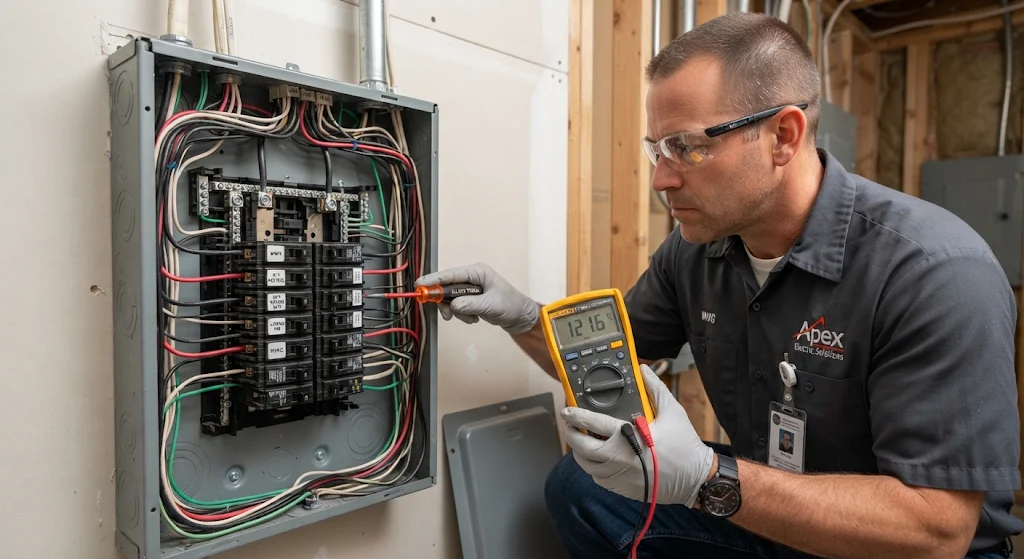
Electrical issues in Dover properties often manifest as subtle warning signs before developing into urgent hazards. Common symptoms include persistent circuit breaker trips, flickering overhead light fixtures when high-draw appliances start, buzzing wall switches, warm receptacle faceplates, and dead outlets in kitchens, bathrooms, or basements. In established neighborhoods across Kent County, older wiring assemblies, loose terminal connections, and degraded breaker mechanisms frequently cause intermittent faults that require systematic professional troubleshooting.
Attempting do-it-yourself electrical repairs without proper diagnostic meters or training poses severe risks of electrical shock and structural fire hazards. Modern residential distribution systems rely on sophisticated circuit interactions, including shared neutral wires in multi-wire branch circuits and sensitive AFCI/GFCI monitoring. A qualified independent electrical contractor utilizes digital multimeters, thermal imaging cameras, and insulation resistance testers to trace circuits, isolate underlying ground faults, identify loose neutral connections, and address issues at their true source rather than simply resetting a breaker.
Need a Licensed Electrician in
Connect directly with independent licensed electrical contractors serving Dover and surrounding Delaware communities. Receive prompt diagnostics, honest upfront estimates, and verified code-compliant workmanship.
Call (888) 605-9975 to ConnectRepair vs. Replacement: Making the Right Electrical Choice
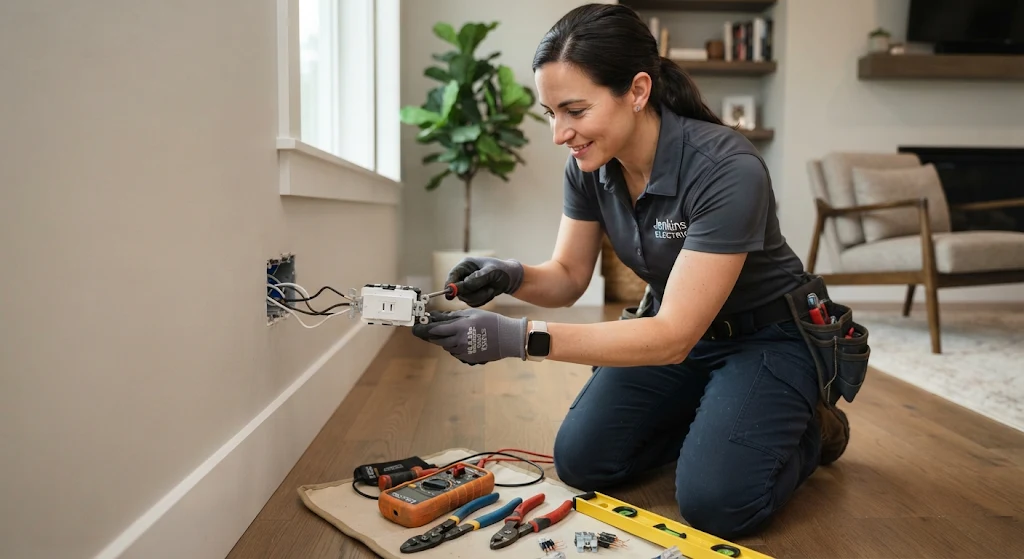
When an electrical failure occurs in Dover, property owners must determine whether a localized component repair or a broader equipment replacement is warranted. For example, replacing a single worn receptacle or tightening a loose terminal lug is straightforward. However, if circuit breakers trip continuously due to severe total panel overloads, or if vintage branch wiring has deteriorated cloth insulation that crumbles upon inspection, isolated repairs provide only temporary relief. In such cases, independent electrical contractors evaluate the overall health of the branch circuit and service panel to recommend permanent, cost-effective solutions.
Furthermore, older properties may still have outdated Federal Pacific Electric (FPE) Stab-Lok panels or Zinsco distribution boxes. Independent testing has shown that breakers in these vintage units frequently fail to trip during direct overcurrent conditions, creating extreme fire hazards. When troubleshooting electrical failures on such systems, qualified electricians typically advise upgrading to a modern, code-compliant breaker enclosure rather than sourcing obsolete, unreliable replacement parts.
Local Permitting & Safety Codes in Dover, DE
In Delaware, electrical repairs must conform to the current state-adopted National Electrical Code (NEC). While replacing like-for-like switches or fixtures often does not require municipal inspection, adding new circuits, altering feeder cables, or replacing service panels requires an electrical permit from Kent County or the applicable municipal building authority. Independent contractors coordinate all necessary filings and schedule mandatory third-party inspections to protect your home's safety and insurance standing.
Contractor Due Diligence Checklist for Dover Homeowners
Always request your contractor's active Delaware electrical license number, request current proof of general liability insurance, insist on an itemized written scope of work, and confirm whether third-party electrical inspection fees are included in the quote.
Independent Electricians Serving Dover
WATT911 is a transparent referral network connecting property owners with independent local electrical contractors. We do not employ electricians, perform electrical work directly, or hold a contractor license. You agree on pricing, scheduling, and project terms directly with your chosen independent contractor.
Connect With a Local Contractor
Speak directly with an independent electrical contractor to discuss your Electrical Repair project in Dover, request an estimate, and confirm scheduling.
Call (888) 605-9975Frequently Asked Questions: Electrical Repair in Dover
Helpful technical and procedural answers regarding Electrical Repair in Dover, DE.
Breakers trip primarily due to circuit overloads (drawing more amperage than the circuit is rated for), short circuits (hot wire contacting a neutral or ground), or ground faults. Repeated tripping signals an active electrical fault that an independent licensed electrician should inspect promptly.
Warm faceplates or buzzing noises usually indicate loose wire terminals, internal arcing, or excessive electrical current running through the receptacle. This is a potential fire hazard and should be evaluated immediately by a qualified contractor.
Directly replacing a two-prong outlet with a standard three-prong outlet without a physical equipment ground wire violates electrical codes. However, codes allow installing Ground-Fault Circuit-Interrupter (GFCI) receptacles labeled 'No Equipment Ground' to provide personnel shock protection where rewiring is impractical.
Contractors employ circuit tracers, clamp meters, megohmmeters (insulation resistance testing), and infrared thermography to inspect hidden branch wiring inside walls and attic spaces without unnecessary demolition.
Routine component swaps (like light switches or light fixtures) generally do not require permits. Extending circuits, adding subpanels, or replacing damaged service entrance cables require permits and inspections.